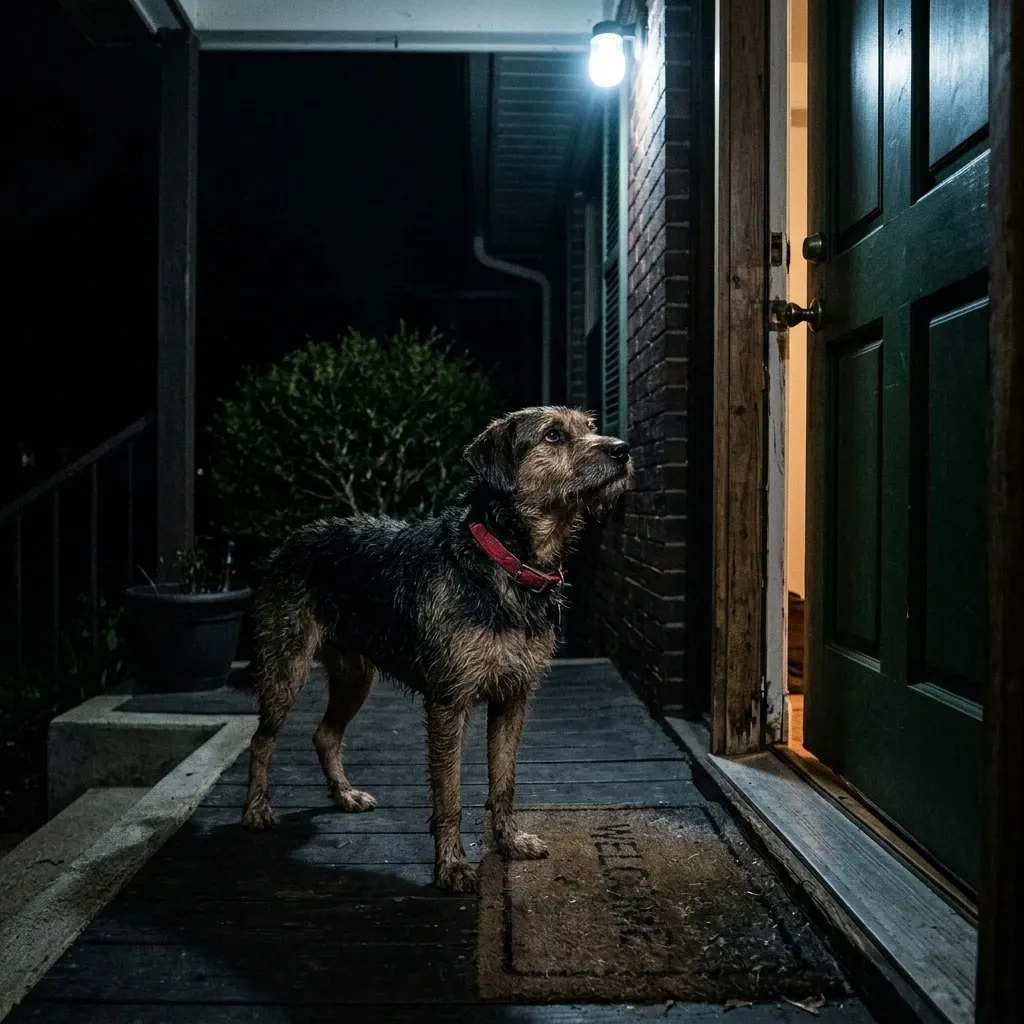
"Will they come home on their own?"
It's the first question every owner asks. And it's comforting to believe the answer is yes - to picture your dog finding their way back, tail wagging, like nothing happened.
Sometimes that happens. But many lost dogs do NOT come back on their own. And relying on hope instead of action costs you the most valuable thing you have: time.
The Short Answer
Some dogs come back. Many don't - especially without help.
Why Some Dogs Do Return
A dog is more likely to come back on their own when:
- They know the area well. Familiar neighborhoods, established routes, and strong scent markers help them navigate home.
- They're calm, not panicked. A relaxed dog thinks more clearly and responds to familiar cues.
- They haven't traveled far. The further they go, the harder it is to find their way back.
- They weren't chased. A dog that wasn't pursued is more likely to circle back.
Why Many Dogs Don't Come Back
Fear Changes Everything
A scared dog doesn't think about home. They think about survival. They hide, run from people (including you), and don't respond to commands. The Humane Society notes that frightened dogs often avoid their owners.
Survival Mode Takes Over
When a dog feels threatened, they stop thinking about "home" and focus on staying safe. That means hiding, running, and avoiding contact - even with people they know.
They Get Disoriented
Even smart dogs can lose their bearings. Scent trails lead them further from home. Unfamiliar territory makes navigation harder. They can end up miles away with no idea how to get back.
The Two Types of Lost Dogs
The Explorer
Confident, curious, keeps moving. May approach strangers. Less likely to come back on their own. More likely to travel far.
The Scared Dog
Hides immediately, avoids people, stays quiet. Might be close but won't approach you. Could stay hidden for hours or days.
Why Waiting Is Dangerous
| Time Missing | What's Happening |
|---|---|
| 0-1 hour | Dog is likely nearby, either hiding or exploring |
| 1-6 hours | Dog expands their range, gets further from home |
| 24+ hours | Dog may be far away, picked up by a stranger, or in a shelter |
Waiting gives your dog a head start in the wrong direction. Every hour you wait, the search area gets bigger.
What to Do Instead of Waiting
1. Start Searching Immediately
Check nearby areas. Call calmly. Look in hiding spots. Don't wait for them to come back - go find them.
2. Stay Near the Last Seen Location
Dogs often circle back to where they escaped. Stay in that area. Revisit it multiple times.
3. Use Scent to Guide Them Home
Leave your clothing, their bed, and their food bowl outside. These create a "home signal" your dog can follow by scent.
4. Alert Your Community
Neighbors, local groups, shelters, vets. More eyes searching means faster recovery.
The Better Question
Don't ask: "Will my dog come back?"
Ask: "How do I make sure I can find them if they don't?"
A tracking collar - an AirTag in a secure, flush-mounted holder - gives you location data when your dog can't find their way home. You see the last ping, the direction of travel, and you can focus your search where it matters.
Hope is not a strategy. Equip the backup plan before you need it.
Editorial Notes
How this guide was prepared
This article was prepared to help owners take the next practical step quickly. We combine shelter and veterinary guidance, tracking documentation, and recovery planning so the advice stays useful in a real-world situation.
Written by
Find My Doggo Team
Reviewed by
Find My Doggo Safety Team
Editorial review team
Updated
2026-05-14