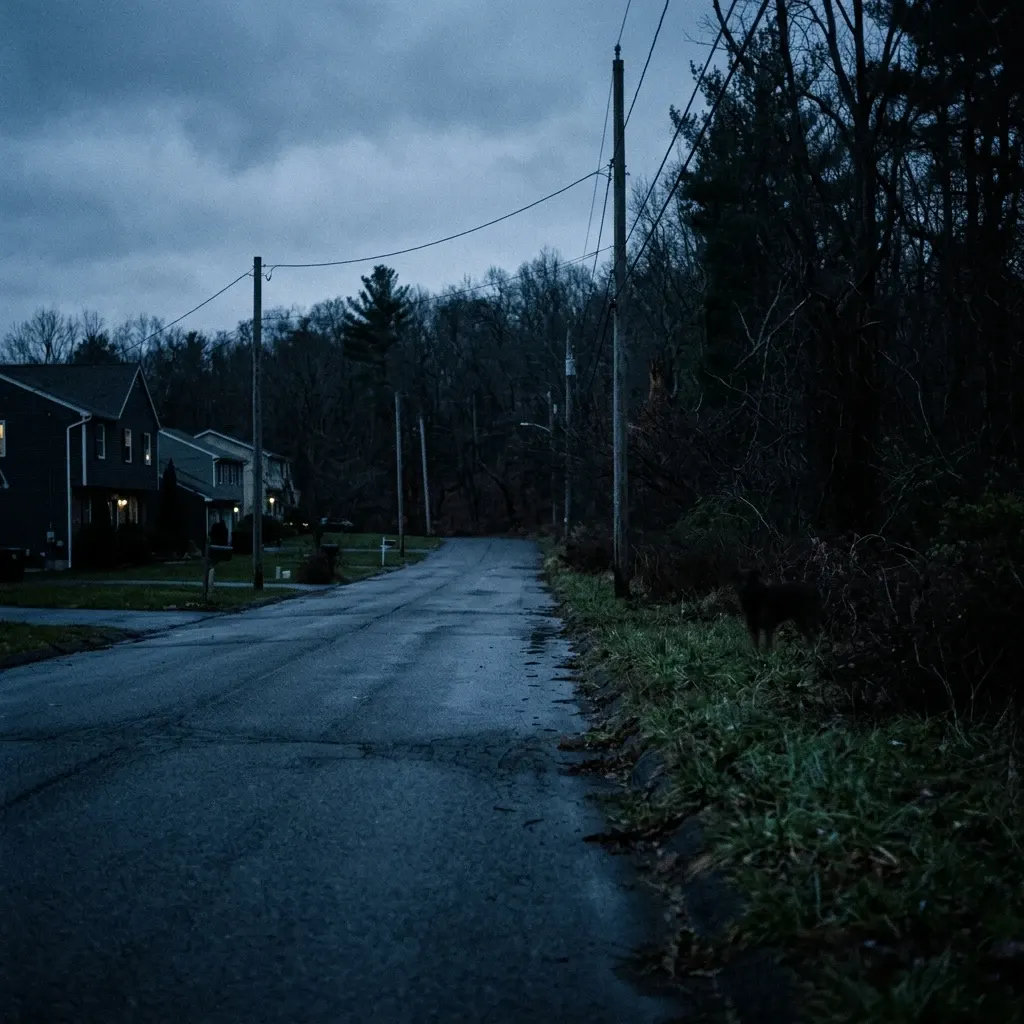
Lost dogs don't wander randomly. They follow patterns driven by instinct, fear, and environment. If you understand those patterns, you can search strategically instead of desperately.
The Two Types of Lost Dogs
Before you search, you need to know which type you're dealing with. This changes everything.
The Scared Dog (Most Common)
These dogs hide quickly, avoid people, and stay silent. They're often very close - but extremely hard to find. They'll stay hidden under a porch or in dense brush for hours, even when they can hear you calling.
The Explorer Dog
These dogs roam, follow scents, approach strangers, and keep moving. They're often farther away than you expect. A confident, curious dog can cover multiple miles in a few hours.
Where Scared Dogs Hide
Scared dogs prioritize one thing: feeling invisible. They choose dark, enclosed, quiet spaces.
Top hiding locations:
- Under structures: porches, decks, sheds, mobile homes, parked vehicles
- Dense vegetation: bushes, hedges, wooded areas, tall grass
- Tight spaces: behind fences, in drainage pipes, under vehicles
- Quiet areas: backyards, empty lots, corners of neighborhoods
Scared dogs often stay within a quarter-mile of the escape point. They're close - they just don't want to be found.
Where Explorer Dogs Go
Explorers follow movement patterns, not hiding spots.
Common routes:
- Roads and sidewalks - straight paths with clear sight lines
- Fence lines - dogs naturally follow barriers and edges
- Trails and paths - walking trails, dirt paths, creek beds
- Scent trails - following other animals, food smells, familiar routes
These dogs can travel 1-3 miles in a few hours. They don't stop until they're tired or something holds their attention.
How Dogs Move (It's Not Random)
Dogs follow predictable movement patterns:
- Follow edges: fences, tree lines, building perimeters
- Move downhill: easier terrain, water drainage paths
- Avoid open exposure: they stick to cover when scared
- Circle familiar areas: they often loop back toward known territory
This gives you a predictable search pattern. Don't wander - follow the edges.
The Most Overlooked Place
The last place your dog was seen. Dogs often circle back to the escape point, especially after they calm down. Revisit this location multiple times throughout the first 24 hours.
Search Strategy by Dog Type
If Your Dog Is Scared
- Focus on tight hiding spots within a quarter-mile radius
- Move slowly and quietly
- Check the same locations multiple times
- Search at dawn and dusk when dogs are most active
- Use calm calling - not yelling
If Your Dog Is Exploring
- Expand your search radius faster - 1-2 miles per hour of missing time
- Follow roads, paths, and fence lines
- Check with neighbors and ask them to check yards and garages
- Post on local social media and Nextdoor immediately
- Contact shelters and vets in a widening radius
Search Strategy by Time Missing
| Time Missing | Search Focus |
|---|---|
| 0-30 min | Immediate area, hiding spots, calm recall |
| 1-3 hours | Expand to 1-2 mile radius, alert neighbors, post online |
| 3-6 hours | Wider radius, contact shelters, deploy scent anchors |
| 6+ hours | Significant expansion, rely on sightings and community help |
Why Most Searches Fail
Not because people don't try. But because they search emotionally instead of strategically. They check the same open field five times while ignoring the dark porch next door. They drive roads on foot. They expand too fast when they should be looking close, or stay too close when the dog is already miles away.
How Tracking Changes Everything
Instead of guessing where your dog went, a tracking collar gives you real data. An AirTag in a secure collar pings off nearby iPhones. You see the last known location, the direction of travel, and you can focus your search where it actually matters.
Even one location update can eliminate hours of random searching.
Editorial Notes
How this guide was prepared
This article was prepared to help owners take the next practical step quickly. We combine shelter and veterinary guidance, tracking documentation, and recovery planning so the advice stays useful in a real-world situation.
Written by
Find My Doggo Team
Reviewed by
Find My Doggo Safety Team
Editorial review team
Updated
2026-05-14