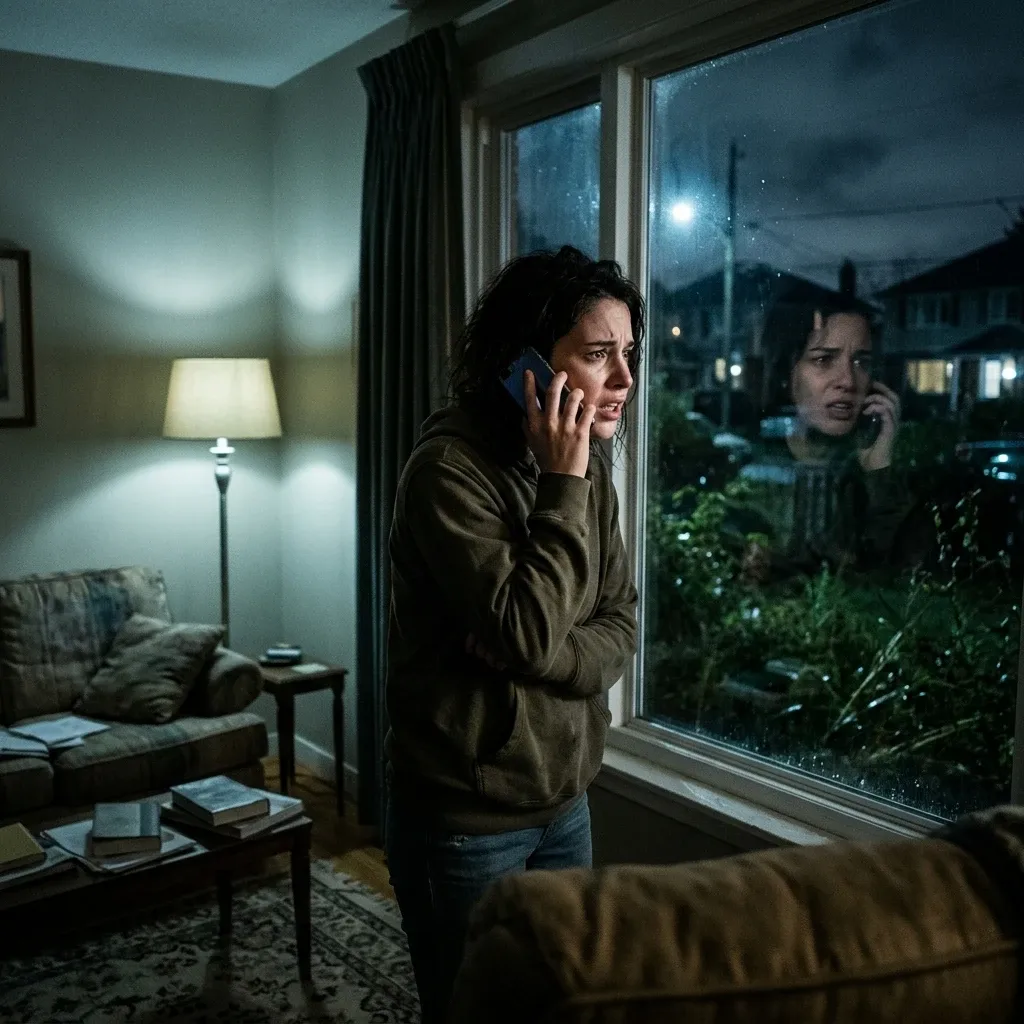
Your dog vanished ten minutes ago. You texted your family. You posted on Facebook. Now you're waiting.
While social media matters, it doesn't dispatch animal control. It doesn't flag microchip databases. It doesn't hold incoming strays in physical kennels.
If you want your dog back, you need to call the physical infrastructure of your city - now.
Every minute you spend scrolling is a minute a local shelter is logging your dog as an "owner unknown stray."
Here's exactly who to call, in order.
Tier 1: Call Within 60 Minutes
Local Animal Control
Animal control officers are on the road right now responding to calls about loose dogs. If someone reported your dog, they have the dispatch radio.
What to say: Provide breed, unique physical markers (missing half an ear, black rugged collar), cross-streets of escape, and microchip number.
Every Animal Shelter Within 15 Miles
Dogs can cover serious ground - or be transported across county lines by well-meaning strangers who pick them up.
What to say: Ask if any dog matching your description was dropped off today. Follow up with an email containing a high-resolution photo. Ask them to add it to their lost and found binder.
Tier 2: Call Within 2 Hours
Your Microchip Registry
Your dog's microchip is useless if the registry doesn't know the dog is missing.
What to say: Tell them your dog is officially missing. Confirm they have your current cell phone number. Ask them to activate their "Lost Pet Alert" if their service includes broadcasting to local clinics.
Don't know which registry? Use the AAHA Universal Pet Microchip Lookup - enter the chip number and it tells you exactly who to call.
Tier 3: Call Within 4 Hours
24-Hour Emergency Vet Clinics
Emergency clinics are the primary drop-off points for injured strays when city shelters are closed.
What to say: Tell them you lost your dog. Ask if anyone recently brought in an injured or loose stray.
Surrounding Day-Practice Veterinarians
Good Samaritans routinely walk loose dogs into the nearest clinic to get them scanned for a microchip. Call every vet within 5 miles.
Tier 4: Call If Needed
Police Non-Emergency Line
Do NOT call 911. Call the local precinct's non-emergency line. In rural areas, police deputies are often the primary responders to animals creating traffic hazards.
What to say: Give a brief description and cross streets. Ask if anyone has called dispatch about a loose dog.
The Problem With Waiting for the Phone to Ring
This call sheet is critical - but it also shows exactly why reactive recovery is so brutal. You're relying on the kindness, speed, and accuracy of strangers. You're waiting for animal control to do their job perfectly. You're hoping a clinic catches a typo in a database.
You're out of control.
High-agency owners don't wait for the phone to ring. They take control of the perimeter. They secure the broken gate. They reinforce training. And they equip their dog with an active tracking solution - like a secure AirTag collar - so if the dog slips again, they're the one hunting the dot on the phone, not sitting by the phone hoping a stranger calls back.
Editorial Notes
How this guide was prepared
This article was prepared to help owners take the next practical step quickly. We combine shelter and veterinary guidance, tracking documentation, and recovery planning so the advice stays useful in a real-world situation.
Written by
Find My Doggo Team
Reviewed by
Find My Doggo Safety Team
Editorial review team
Updated
2026-05-14